RETAILERS

If AI can’t read your catalog, it won’t include your products.

AI-driven discovery depends on whether your product data can be interpreted at scale.

What’s changing?

Retail product discovery is increasingly determined by AI shopping agents, not just site search, navigation, or human browsing.

These systems evaluate large assortments of product data programmatically. They depend on consistent structure, complete attributes, and clear context across thousands or millions of SKUs.

When product data breaks down, visibility doesn’t just suffer. Your products stop being considered. 

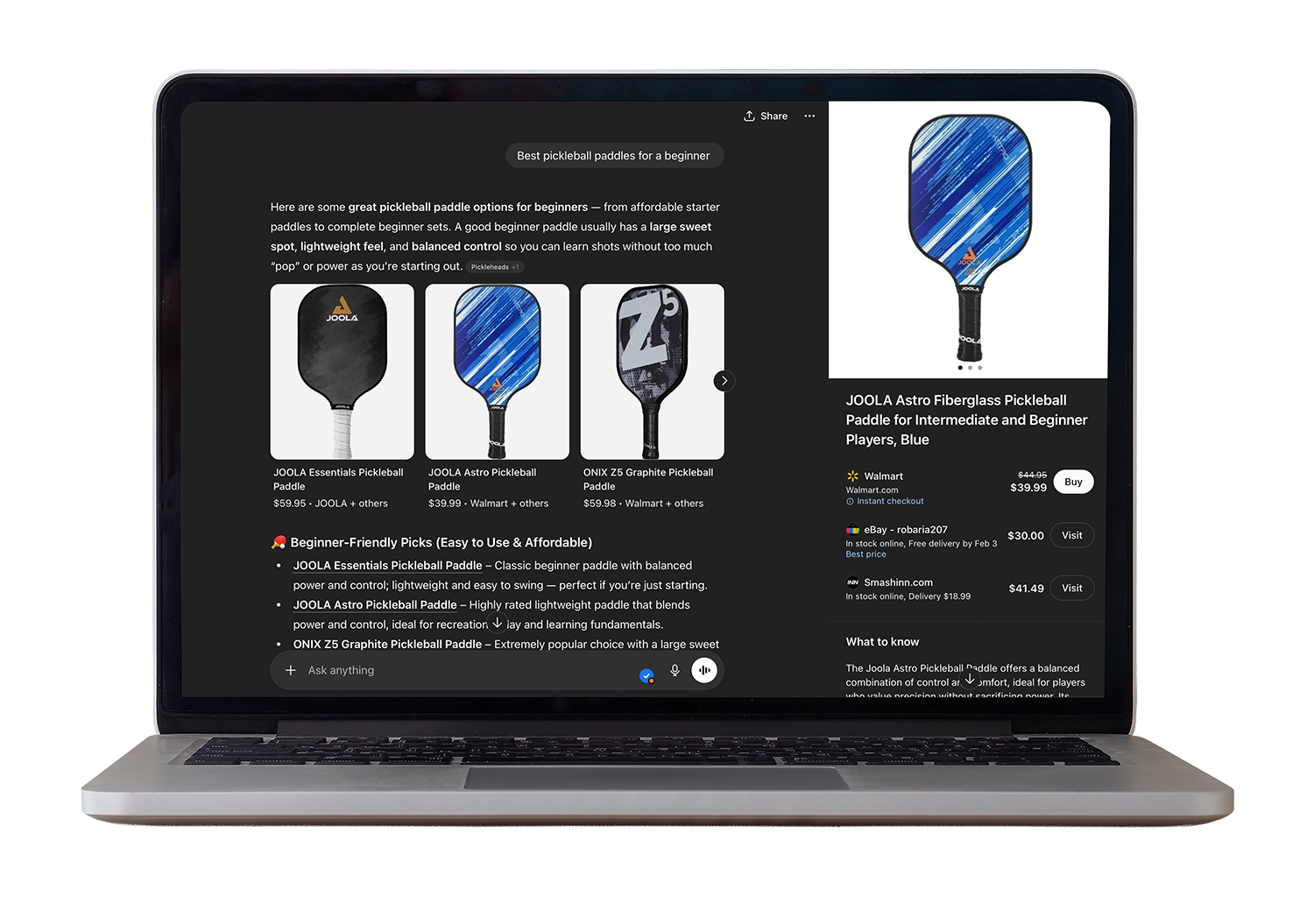
chatgpt product cards laptop

Where legacy catalogs fall short

Legacy assumption

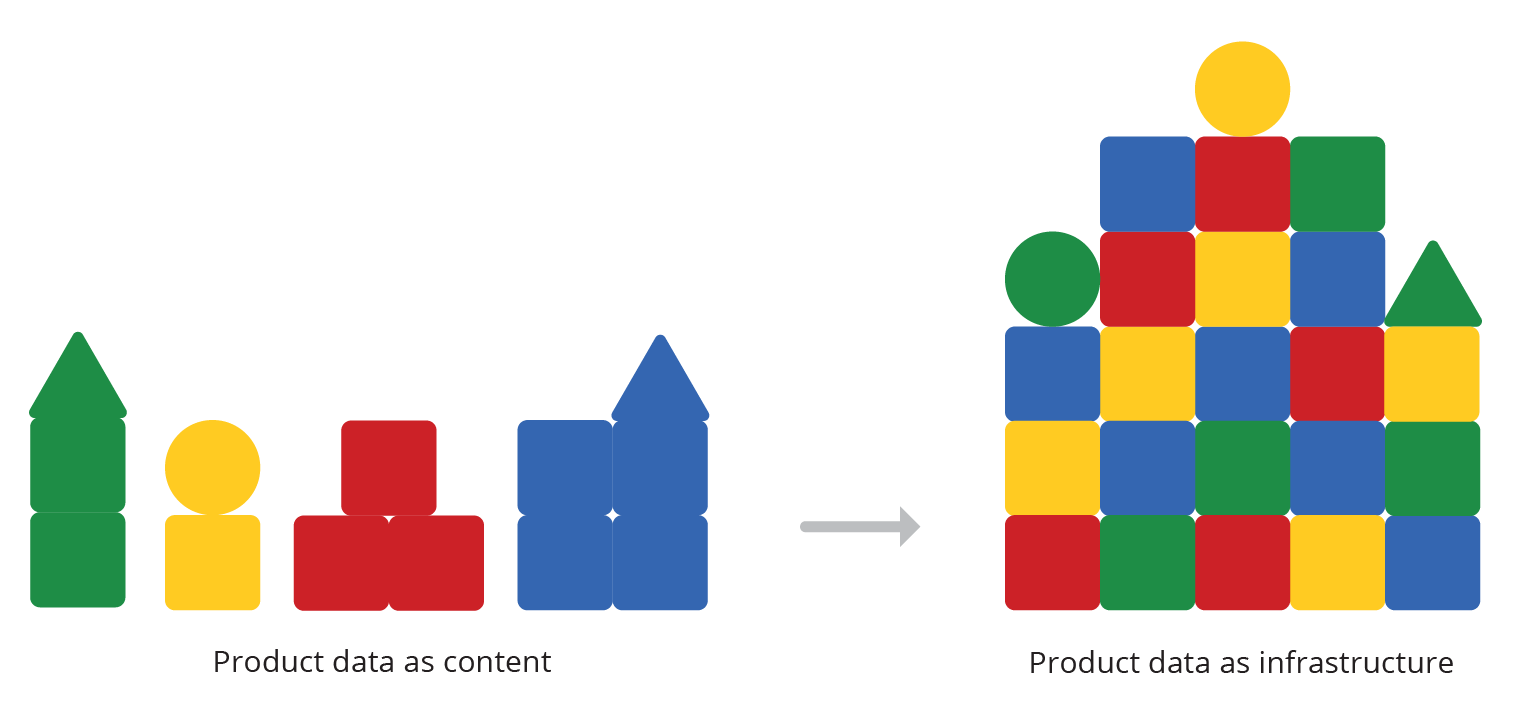
Retail catalogs were built by aggregating data from suppliers, PIMs, and legacy systems. As long as products flowed through and appeared on site, inconsistencies were tolerated and gaps were expected.

Discovery issues were assumed to surface gradually and be corrected through search tuning, navigation, or downstream optimization.
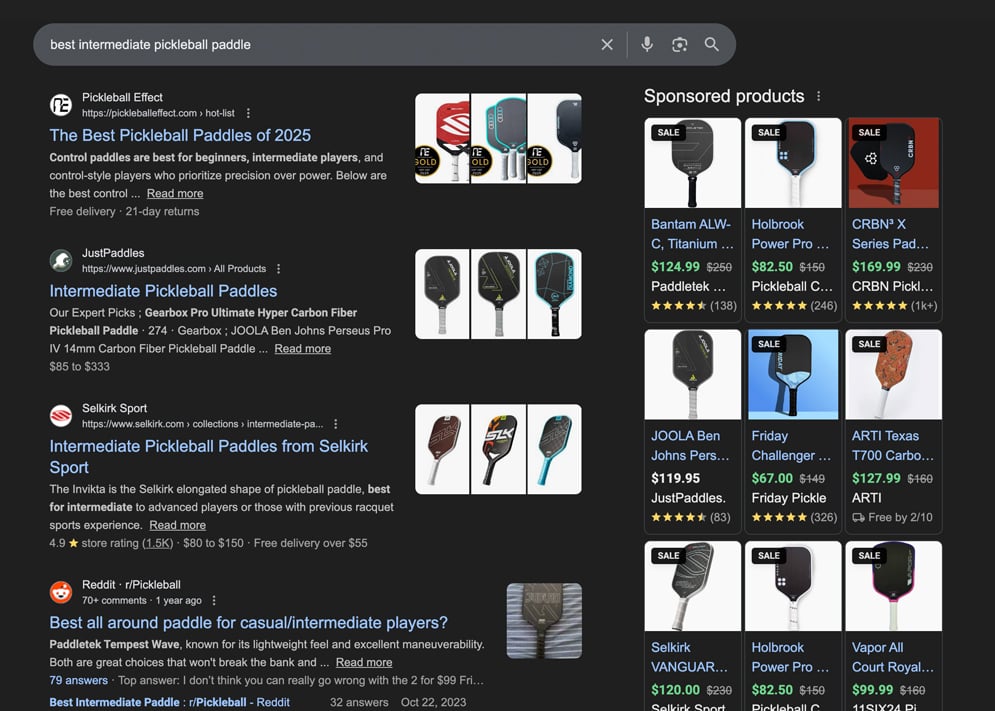
The reality

Retail catalogs were not designed to be interpreted by AI shopping agents making automated inclusion decisions. As product data passes through multiple systems, structure degrades and context is lost. 

They make binary decisions. Products are either interpretable or excluded. Visibility does not decline slowly. It breaks at scale and disappears without warning.
ReFiBuy defines Agentic Commerce Optimization

Agentic Commerce Optimization (ACO) is the system required to ensure products are accurately evaluated and included by AI shopping agents.

ReFiBuy defines and delivers ACO for retailers managing large, multi-brand assortments at scale.

ACO operates upstream at the SKU level across entire catalogs, ensuring product data remains interpretable without sacrificing breadth, consistency, or speed.

ReFiBuy executes ACO through a closed-loop system that continuously evaluates, resolves gaps, and monitors performance as AI shopping evolves, with human oversight to maintain data quality and retailer standards across suppliers.

ReFiBuy Agentic Commerce Optimization

What this enables for retailers

rfb_icons-edited-26

Integrity

Catalog integrity across large assortments

rfb_icons-edited-32

Inclusion

Improved inclusion across AI-driven discovery surfaces

rfb_icons-edited-25-1

Stronger Search

Stronger downstream search and navigation performance

rfb_icons-edited-33

Agentic Readiness

Readiness for headless, API-driven, and agent-led commerce
what-determines-1-1

What determines product inclusion

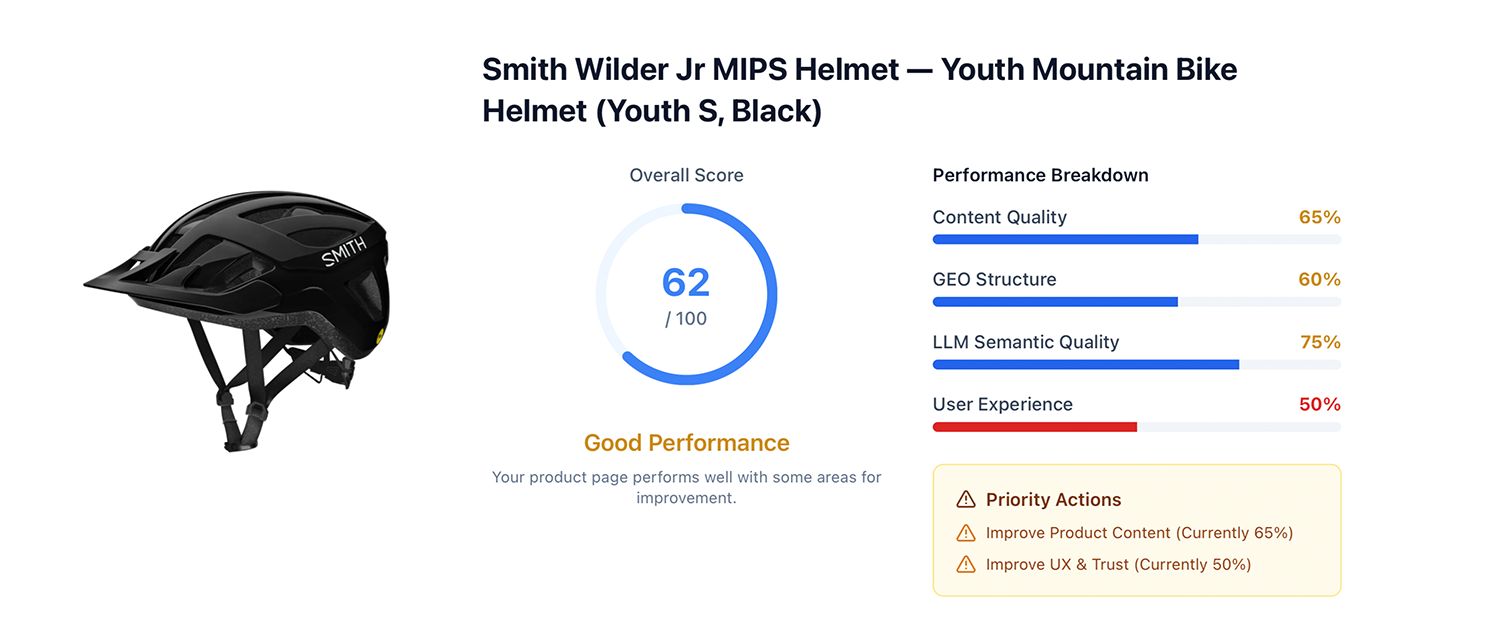
AI shopping agents include products only when they can interpret the data clearly at the SKU level.

Structure, completeness, and context determine eligibility before ranking or comparison takes place.

Products that fail these thresholds aren’t deprioritized. They’re excluded.

ReFiBuy makes those rules visible and fixable.


FAQ

Common questions from retailers

How does ReFiBuy make recommendations for content enrichment?

Our system gathers data from multiple sources including brand sites, marketplaces, competitors, and user-generated content, and uses that information to suggest attributes or copy improvements. Each recommendation includes citations for traceability.

How does ReFiBuy work with our PIM and supplier data?

PIMs organize catalogs for humans and traditional feeds. AI shopping engines require significantly more structured context to understand and compare products.
 The Commerce Intelligence Engine enriches and normalizes existing data so AI systems can interpret products accurately, even when supplier inputs are inconsistent.

Can ReFiBuy scale across large catalogs with millions of SKUs?

Yes. ReFiBuy is designed for large-scale catalogs where manual optimization is not feasible.
Commerce Intelligence Engine evaluates products continuously, while teams manage by exception using confidence scores and bulk approval rules.

What does “winning the product card” mean in agentic commerce?

When AI shopping engines recommend a product, they surface a product card with retailer offers underneath. Winning the product card means a retailer’s offer appears accurately and prominently at the moment of recommendation.

In agentic commerce, the product card replaces traditional search results. Visibility there determines which retailer captures demand.

Get a free SKU-level assessment of how AI shopping agents interpret your catalog