BRANDS

AI is already deciding which products get considered.

The real question is whether it can understand yours.

What’s changing?

Product discovery is no longer a purely human process.

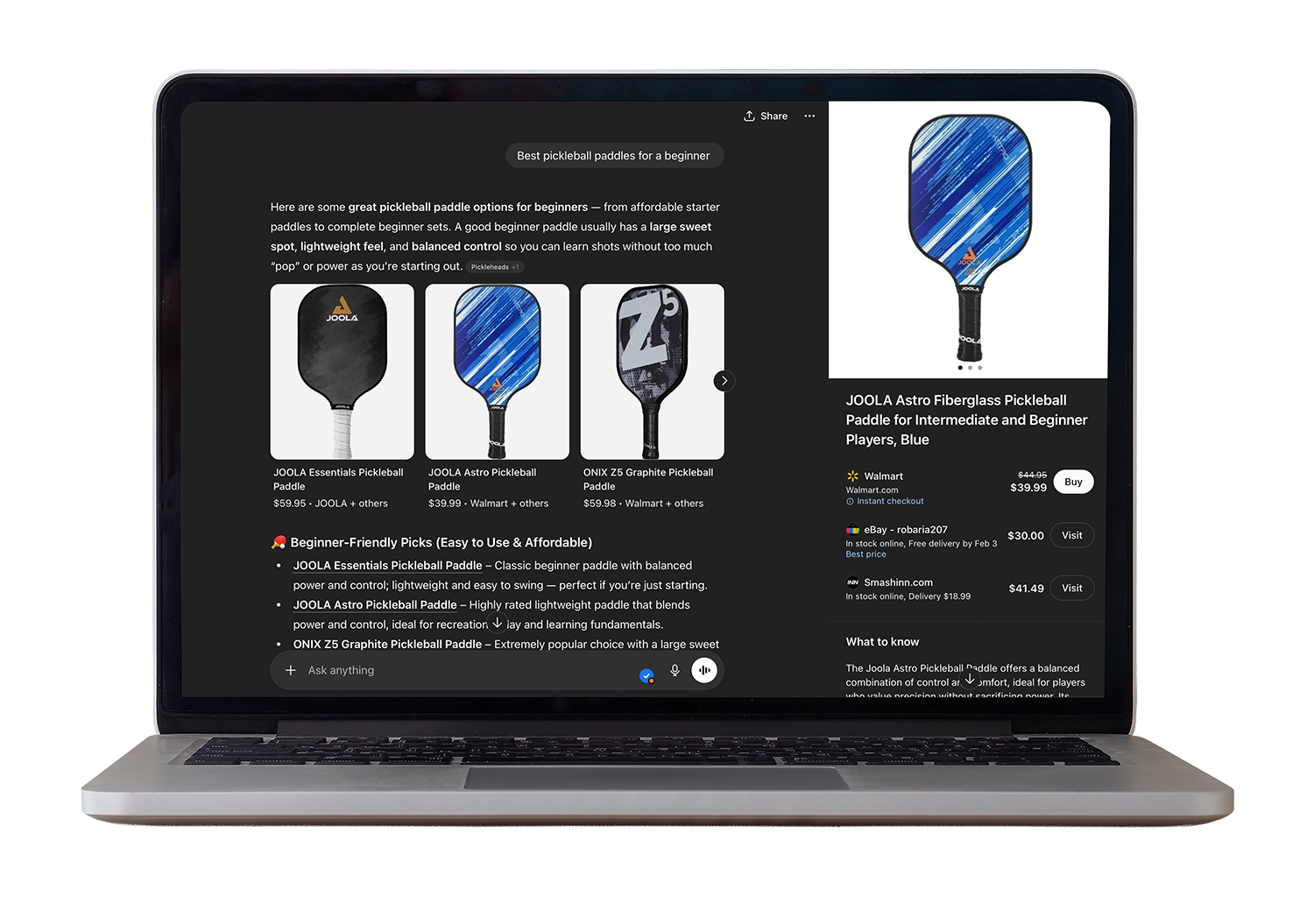
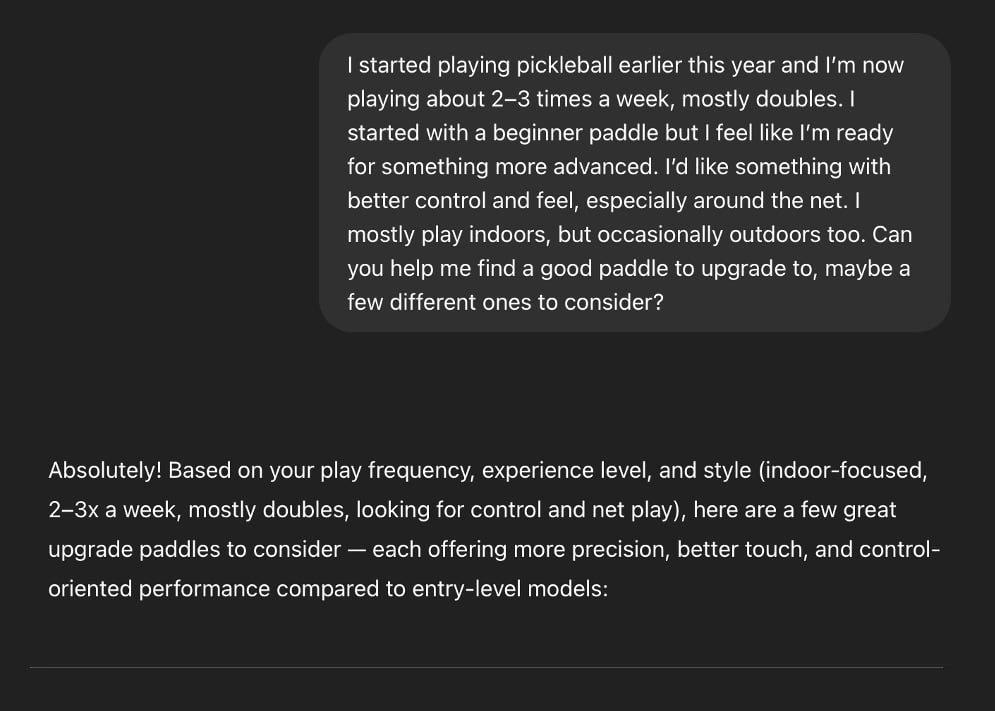
AI shopping agents now determine how a brand’s products are evaluated, compared, and recommended across modern commerce environments.

These systems don’t infer intent or fill in gaps. They rely on explicit, structured product data to determine what gets surfaced and what gets ignored.

For brands, this shift is already reshaping discovery upstream, before traditional marketing, merchandising, or optimization efforts have any influence.

product cards laptop

Where legacy catalogs fall short

Legacy assumption

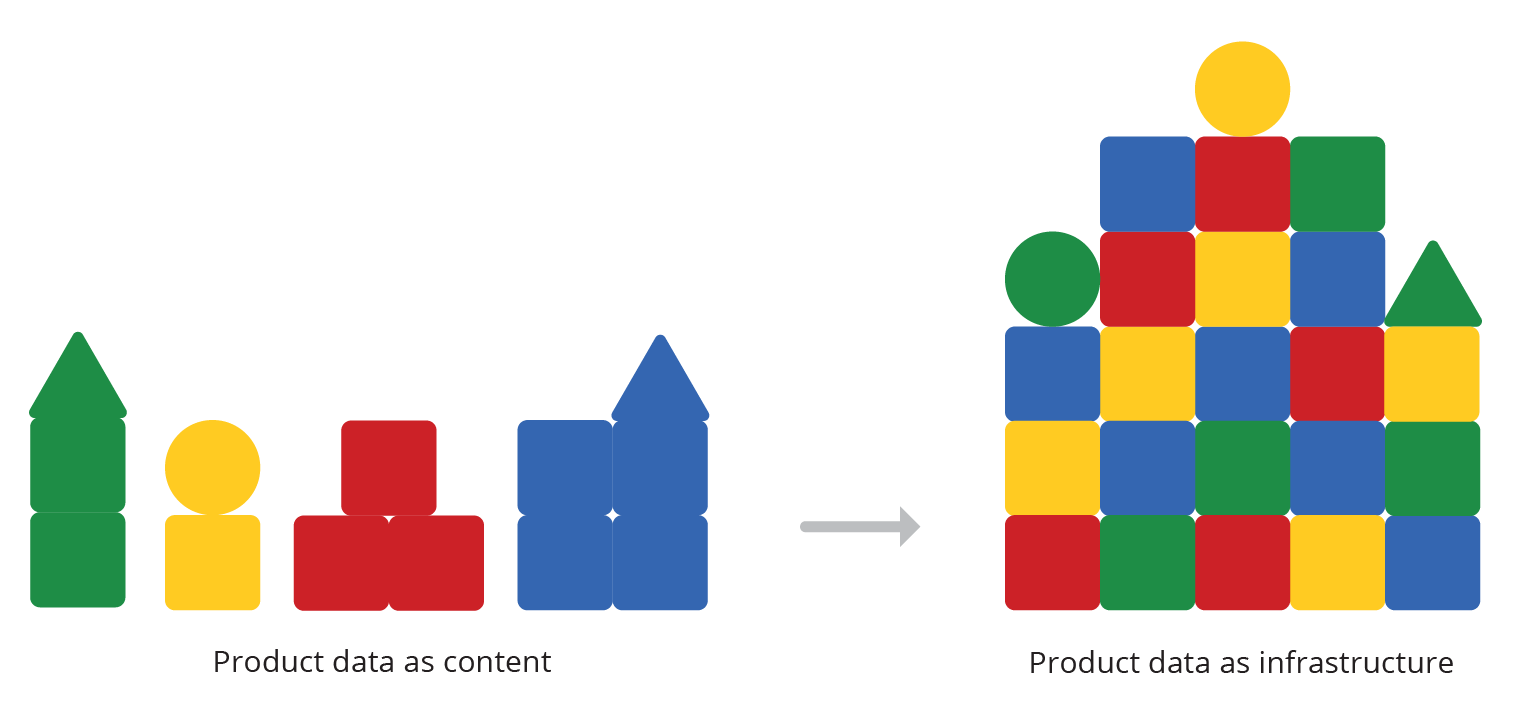
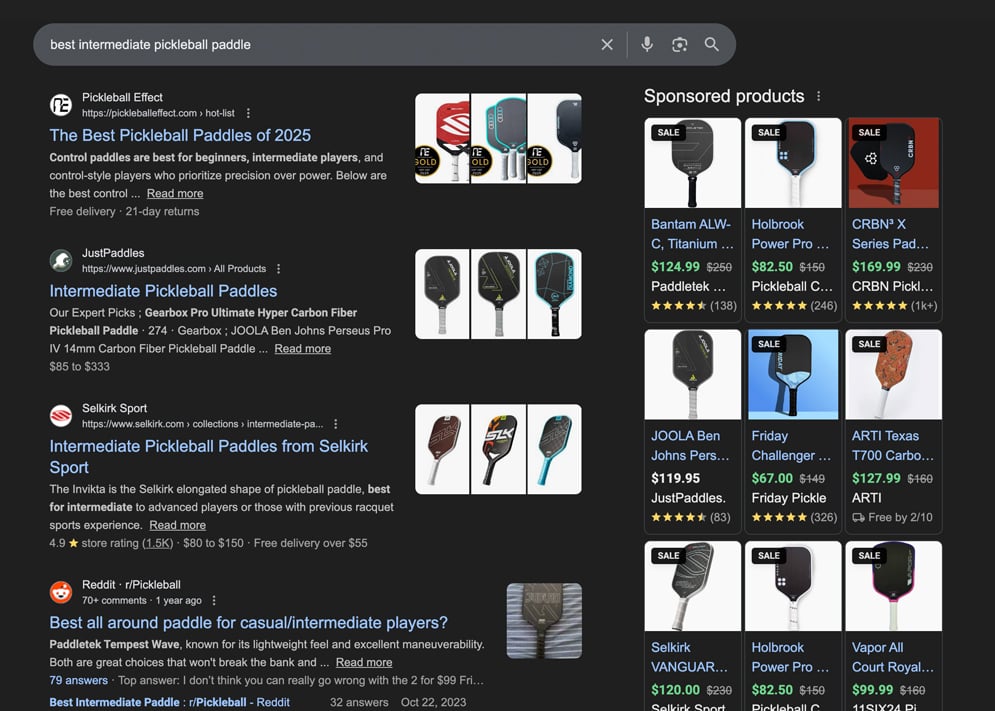
Most brand catalogs were built for SEO, feeds, and human browsing.

They assumed people would interpret context, and find products even when data was incomplete.

Visibility was expected to decline gradually and be corrected downstream.
The reality

Brand catalogs were not designed to be interpreted by AI shopping agents making automated inclusion decisions.

When product data is incomplete, inconsistent, or unclear, AI agents don’t reduce visibility gradually. They exclude products entirely.

Visibility does not decline slowly. It disappears without warning.
ReFiBuy defines Agentic Commerce Optimization

Agentic Commerce Optimization (ACO) is the system required to ensure products are accurately evaluated and included by AI shopping agents.

ReFiBuy defines and delivers ACO for brands navigating agent-driven product selection.

Unlike legacy optimization approaches focused on traffic and keywords, ACO operates upstream at the SKU level where agents determine eligibility.

ReFiBuy executes ACO through a closed-loop system that continuously evaluates, enriches, and monitors product data with human oversight and brand control.

webiste_headers_ac0_v2

What this enables for brands

rfb_icons-edited-27

Visibility

SKU-level visibility and control

rfb_icons-edited-25-1

Insights

Clear signals on why products are excluded from consideration

rfb_icons-edited-28

Optimization

Continuous optimization as AI models and platforms change

rfb_icons-edited-30

Confidence

Confidence that products are eligible, not just published
what-determines-1-1

What determines product inclusion

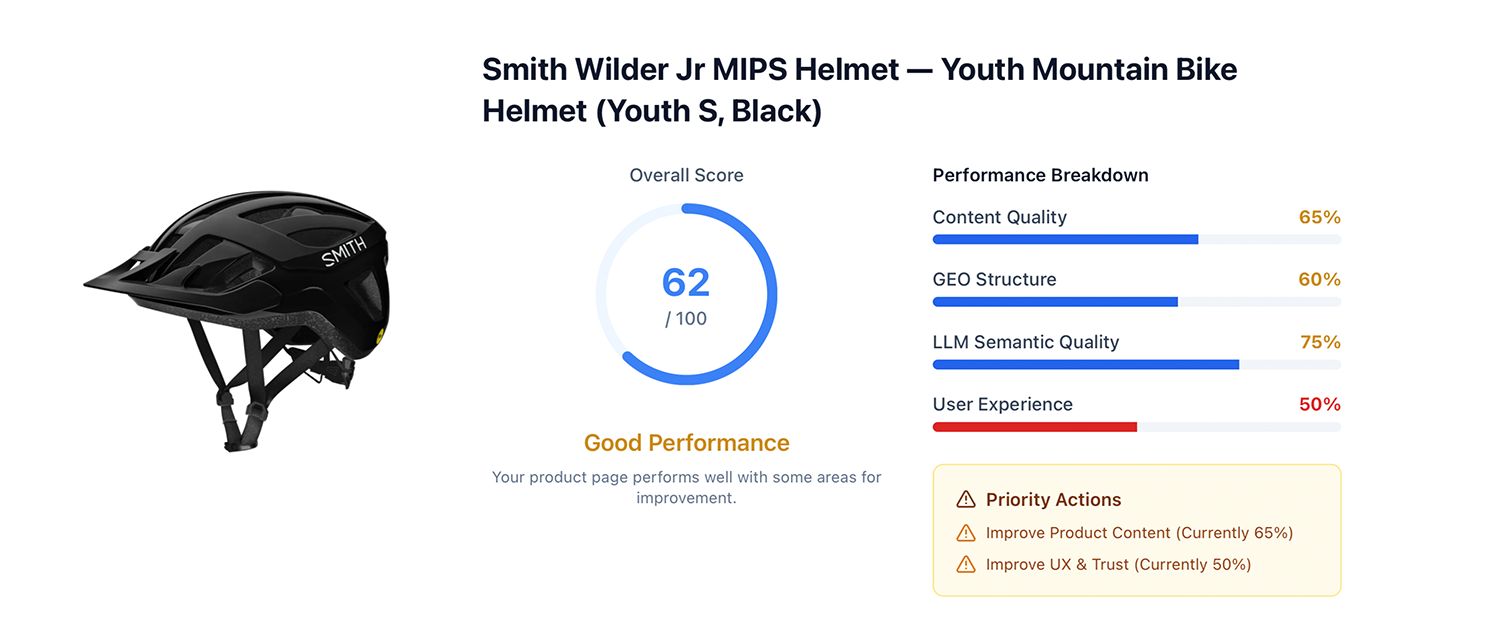
AI shopping agents include products only when they can clearly interpret the data at the SKU level.

Structure, completeness, and context determine eligibility long before ranking or comparison takes place.

When those conditions aren’t met, products aren’t deprioritized. They’re excluded.

ReFiBuy makes those rules visible and fixable.

FAQ

Common questions from brands

What kind of content enrichments or recommendations does ReFiBuy make?

ReFiBuy identifies gaps and opportunities in your product data, generating or improving attributes, optimizing copy for clarity and discoverability, and enriching contextual details such as materials, use cases, or fit. Each recommendation is backed by citations and confidence scoring.

What informs enrichment for different product categories?

ReFiBuy tailors enrichment to category context. For example, “fit” and “fabric” matter for apparel, while “compatibility” and “technical specs” drive performance in electronics. The model adapts to each vertical’s key signals, competitor standards, and brand voice.

Can we create custom rules or guidelines for content generation?

Yes. You can define brand-specific rules (for example: banned words, capitalization standards, tone of voice). ReFiBuy applies these automatically across outputs to ensure brand consistency and compliance.

Does ReFiBuy analyze what agentic shopping engines see on our website and beyond?

Yes. ReFiBuy evaluates your site architecture, metadata, and product pages as AI agents perceive them, and also looks at external signals (like reviews or Reddit mentions) that influence how your products appear in LLM-driven shopping results.

Get a free SKU-level assessment of how AI shopping agents interpret your products